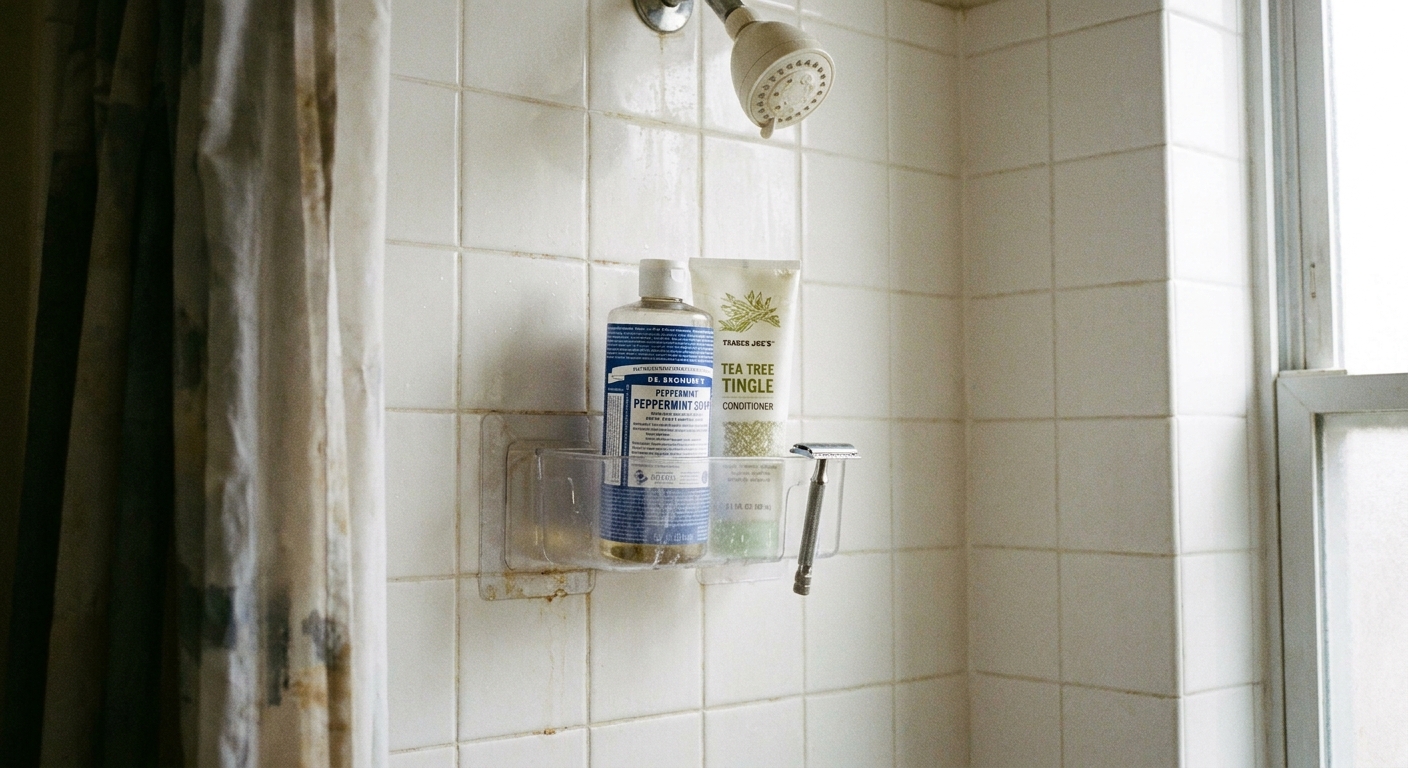

The fastest way I have ever made a rental shower feel more spa-like is swapping the showerhead. In my first vintage apartment, the “pressure” was basically a sad drizzle, and the hard water left that chalky film on everything. I could not retile or replace plumbing, but a simple showerhead switch made the whole bathroom feel cleaner and more expensive overnight.
The best part is that this is one of those renter-friendly upgrades you can fully undo on move-out day, as long as you keep the original parts and do not crank anything so tight you damage the pipe.
Before you start: renter checks
1) Your lease and your comfort level
Most leases allow “minor, reversible changes,” but every building is different. If yours is strict, send a quick maintenance request asking if you can swap the showerhead as long as you reinstall the original later. If you are not comfortable working around plumbing, stop here and ask maintenance to install your new head. Some buildings will do it for you.
2) Thread type (usually standard)
In the US and Canada, most shower arms use a standard 1/2-inch NPT thread. Most replacement showerheads are made to fit it. If your shower arm is unusual, heavily corroded, or wobbly in the wall, that is a maintenance issue, not a DIY moment.
3) Water pressure reality check
A new showerhead can improve your experience of pressure by changing spray pattern and reducing clogs, but it cannot magically override building-wide low pressure. What it can do reliably is:
- Remove mineral buildup that is choking your current head
- Give you a spray pattern that feels stronger (focused jets instead of wide mist)
- Add filtration to reduce hard water effects on hair, skin, and fixtures
Pick the right showerhead
Rainfall vs. filtered vs. high-pressure
- Rainfall: Dreamy and hotel-like, but some models feel weak in older buildings. If you choose rainfall, look for a smaller head (6 to 8 inches) and a model known for a concentrated spray.
- Filtered: Great if you deal with hard water smell, buildup, or dry skin and hair. Many filtered heads are handheld or hybrid, which I love for small tubs because you can rinse corners fast.
- “High pressure”: Usually means a more forceful spray pattern and anti-clog nozzles. These are my go-to for rentals with inconsistent water flow.
Filtered showerheads and hard water
This matters because packaging can be a little… enthusiastic. In general:
- Many shower filters reduce chlorine and some odors, which can make hair feel less stripped.
- Hard water minerals (calcium and magnesium) are harder to remove in a showerhead format because true softening usually requires ion exchange and enough contact time. Some models use media that may reduce scale or help with certain metals, but expectations should be realistic.
- You will still want to clean the shower if your building has heavy scale. Filtration helps, but it does not erase years of mineral deposits.
My tiny-bath favorite: handheld + simple mount
If you have a small tub or a tight stall, a handheld head makes daily life easier. You can rinse shampoo from the walls, spray down the tub in 30 seconds, and clean without doing that awkward half-squat. If your shower storage is already a struggle, pair it with a rust-resistant caddy. I keep my picks updated here: Best Rust-Resistant Shower Organizers for Tiny Bathtubs.
Tools and supplies
- Adjustable wrench or channel-lock pliers (optional, many heads twist off by hand)
- Soft cloth or small towel (protects the finish)
- PTFE thread seal tape (also called plumber’s tape)
- Old toothbrush or small brush for cleanup
- White vinegar (for mineral buildup)
- A small bowl or cup (to catch drips)
Tip from someone who has scratched a fixture before: If you use pliers, always wrap the shower arm nut with a cloth first.
How to replace a showerhead
Step 1: Protect your drain and your toes
Close the drain or place a washcloth over it so tiny parts do not disappear. Put a towel in the tub to protect it from tools and falling metal.
Step 2: Try removing it by hand
Grip the showerhead at the connection point and twist counterclockwise. If it moves, keep going slowly.
Step 3: If it is stuck, use a wrench gently
Wrap a cloth around the nut, then use the wrench to turn counterclockwise. Use steady pressure, not a sudden jerk. If it still will not budge, stop and contact maintenance. Forcing it can loosen the shower arm inside the wall.
Step 4: Clean the shower arm threads
Once the old head is off, wipe the threaded pipe. If you see crusty white buildup, scrub with an old toothbrush dipped in vinegar, then wipe clean. The goal is a smooth surface so the new head seals properly.
Step 5: Apply thread seal tape
Wrap PTFE tape clockwise (the same direction you will screw the new showerhead on). Two to three wraps is plenty. Keep the tape flat and snug, not bunched.
Step 6: Install the new showerhead
Screw the new showerhead on clockwise by hand until snug. Most of the time, hand-tight plus a tiny extra nudge is enough. If you use a wrench, use the cloth again and do not overtighten.
Step 7: Turn on the water and check for leaks
Run the shower for 30 to 60 seconds. If you see water leaking at the connection:
- Turn the water off
- Tighten slightly by hand
- If it still leaks, remove it, add one more wrap of PTFE tape, and reinstall
Boost pressure the renter-safe way
Clean clogs and scale first
If your old showerhead was clogged with mineral deposits, almost any new head will feel like an upgrade. You can also soak the old head in vinegar to confirm buildup was the issue.
Flow restrictors: be careful
Many showerheads include a flow restrictor to meet water-efficiency rules. Removing it can violate local regulations or building rules, and it can create an unbalanced system in some older plumbing. My renter-safe approach is to:
- Choose a showerhead that has a strong spray pattern at standard flow
- Focus on anti-clog nozzles and a smaller spray face if pressure is low
- Ask maintenance if your building has pressure issues they can address
Consider a handheld with pause settings
Pause settings do not increase pressure, but they make rinsing and shaving feel easier in a tight space because you can control water without constantly adjusting the faucet.
If you filter, make it work
Replace cartridges on schedule
Filtered showerheads only help if the filter media is not exhausted. Follow the manufacturer’s replacement interval. If your water is very hard, you may need changes more often than the box suggests.
Prevent the “filter made it weaker” feeling
A filter can reduce flow if it is clogged or overdue for replacement. If your shower gradually starts feeling wimpy again, that is your cue to:
- Replace the cartridge
- Check the inlet screen for debris
- Wipe down nozzles to keep them clear
Store the original head
This is the part people skip and regret two years later when they are packing in a panic.
My no-fail storage method
- Rinse and dry the original showerhead and any washers
- Put small parts in a zip-top bag
- Wrap the showerhead in a hand towel or bubble wrap
- Store it in a labeled bin in the same place you keep paint touch-up supplies or extra tiles
Label it clearly: “Original showerhead for Apartment Shower.” Future you will be obsessed with present you.
Where to store it in a small apartment
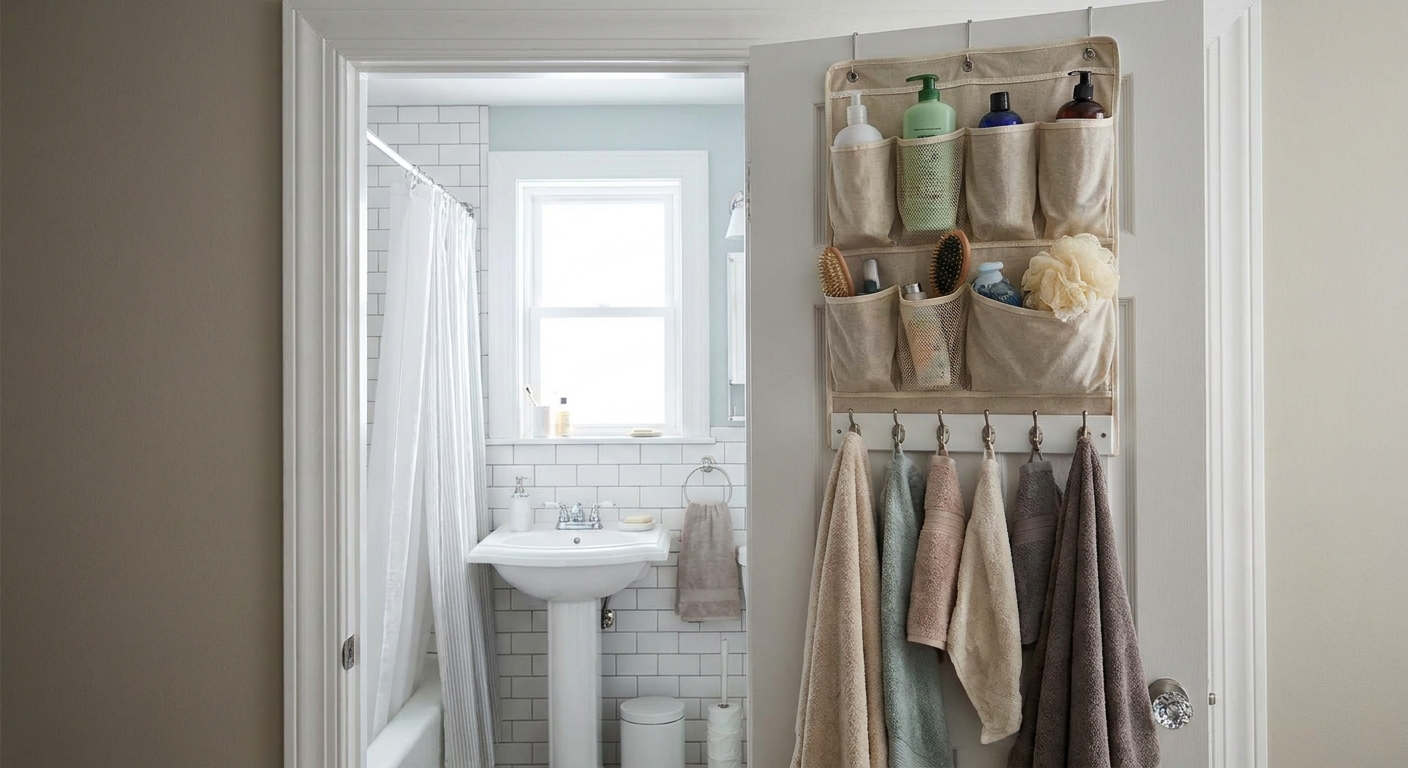
If you are short on closet space, go vertical. I like using the back of the bathroom door for slim storage, especially in older layouts with zero cabinetry. This guide has options that stay renter-friendly: Hidden Storage on the Back of Your Bathroom Door.
Troubleshooting
The showerhead will not come off
- Try again with a cloth and wrench, steady pressure only
- If the shower arm twists in the wall, stop immediately
- Submit a maintenance request rather than risking an in-wall leak
It leaks at the connection
- Remove the head, rewrap PTFE tape clockwise, reinstall
- Check that the rubber washer (if your model has one) is seated correctly
Black flakes or debris show up
This can be loosened sediment from inside the pipe. Run the water for a minute and clean the inlet screen on the new showerhead if it has one. If it continues, contact maintenance.
Your new showerhead feels worse
- Switch to a more focused spray setting if available
- Check that the filter cartridge is installed correctly (filtered models)
- Consider downsizing from a large rainfall face to a smaller head better suited for low-pressure buildings
Quick styling wins
If you are already working at shower height, it is the perfect moment to make the whole area feel more intentional.
- Upgrade your towel situation: Good towel placement reduces damp smells in small bathrooms. If your walls are limited, I put ideas here: Where to Hang Wet Towels in a Small Bathroom With No Wall Space.
- Contain bottles immediately: A clean showerhead plus a messy ledge still reads cluttered. One rust-resistant organizer makes the whole shower look “done.”
FAQ
Can I replace a showerhead in an apartment legally?
In many rentals, yes, as a reversible change, but leases vary. When in doubt, ask maintenance and confirm you will reinstall the original at move-out.
Do I need a plumber?
Not usually. If the showerhead is stuck, the shower arm is loose, or you see corrosion that looks severe, involve maintenance. That is what they are there for.
Will a new showerhead fix low pressure?
It can improve how the spray feels and remove clogs, but it cannot fully fix building-wide low pressure. Choose a head designed for a strong spray pattern and keep it clean.
Will a filtered showerhead soften hard water?
Some models reduce chlorine and help with smell and dryness, but true softening of hard water minerals is difficult at the showerhead. You will still want to prevent scale with regular cleaning.
What if my showerhead has a hose and extra parts?
Lay everything out on a towel first, then follow the manufacturer’s order. Keep every washer and adapter, and store extras with the original showerhead so nothing gets lost.
One last renter reminder
Take a quick photo of the original setup before you remove anything. It is a two-second habit that makes reinstalling at move-out wildly easier.
If you are building a whole “no-damage upgrade” plan for your bathroom, start here for more renter-safe swaps and styling ideas: Renter-Friendly Upgrades.